If you make payments online—whether you’re a freelancer paying for cloud hosting, a marketer funding ad campaigns, or simply someone tired of handing your primary bank card to every website you visit—a reloadable virtual Visa card is one of the most practical financial tools you can adopt. Let’s look at what it is, how it works, and how a platform like FotonCard fits into the picture for anyone who lives and works on the internet.
What Is a Reloadable Virtual Visa Card?
A reloadable virtual Visa card is a digital payment instrument that runs on the Visa network but lives entirely online. There is no plastic, no shipping, and no waiting. Unlike single-use or disposable cards, you can top it up with funds again and again, keeping the same card details for ongoing subscriptions, recurring bills, and day-to-day online purchases. In short, it behaves like a controlled spending account that you refill on demand, without ever exposing your main bank card.
Why Choose Reloadable Over Traditional Prepaid?
Traditional prepaid cards are often “use it and lose it.” A reloadable card flips that model. You get continuity, because the same card number keeps working for months of Netflix, AWS, or ad-platform payments. You get flexibility, since you add funds only when you need them—no overdraft, no credit line. And you get control, because you can set a budget, load that amount, and stop worrying about surprise charges. For anyone paying for digital services, SaaS tools, advertising platforms, or international vendors, that combination is hard to beat.
Where People Actually Use It
The use cases split neatly between personal and professional life. On the personal side, it covers online shopping, subscription services, digital product purchases, and international payments. On the professional side, it handles freelance business expenses, cloud hosting and software bills, e-commerce operations, and digital marketing platforms such as Facebook, Google, and TikTok ads. Whether you’re a developer, an online entrepreneur, or an everyday shopper, a dedicated virtual card keeps your primary finances insulated from the wider web.
The Real Benefits
The strongest argument is security. Your real banking details stay hidden, so a compromised virtual card becomes a contained incident rather than a financial catastrophe. Around that core benefit sits flexible reloading—run low, top up, and keep going with no new card and no new setup—and better budget management, where you allocate a fixed amount per project, client, or subscription and watch exactly where it goes. Add worldwide acceptance on any eligible Visa platform and the convenience of paying digitally with no physical card, and you have a tool that removes friction rather than adding it.
How a Platform Like FotonCard Works
Plenty of providers issue reloadable virtual cards, but it’s worth looking at how a specialist platform operates, because the details matter. FotonCard is one such platform that issues both Mastercard and Visa virtual credit cards online for business and personal use, with e-commerce, advertising, and paid subscriptions among its core scenarios.
What stands out is the infrastructure behind it. The platform works with banking partners across the United States, Hong Kong, and Singapore and draws on dozens of card BIN resources, which helps keep card services stable over the long run. For advertisers in particular, that matters: you can assign a unique virtual card to each platform or ad account, keeping data isolated and setting per-transaction or monthly spending caps to prevent overspending. It’s a clean way to run Facebook, Google, or TikTok campaigns without ever linking your primary bank card.
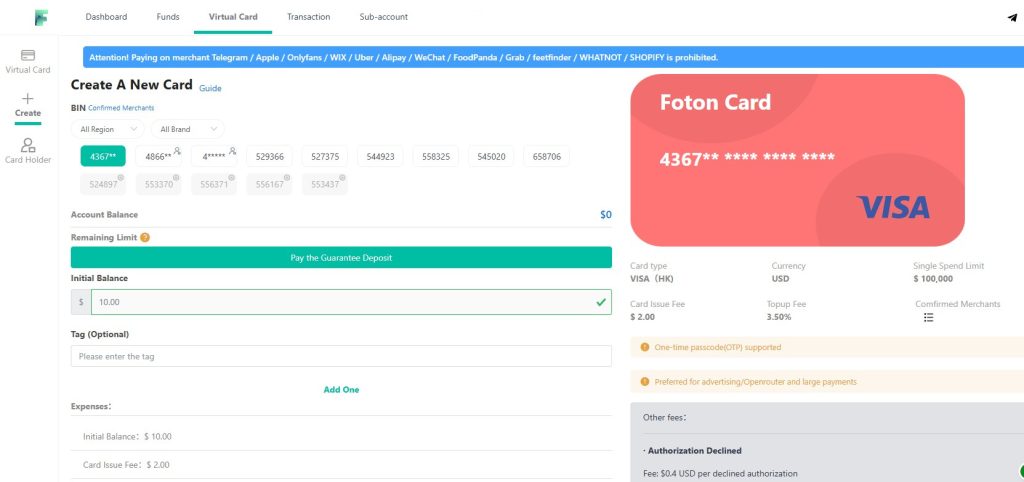
Operationally, it’s lightweight. You register with just an email address and can activate a card within a few minutes. Top-ups settle instantly via USDT or corporate account deposits, and the self-service dashboard lets you issue cards, view transaction history, and adjust settings without manual review. With a minimum issuance fee around $3 and transaction fees starting at 1%, it’s also positioned to keep bulk card costs reasonable for businesses that need many cards at once.
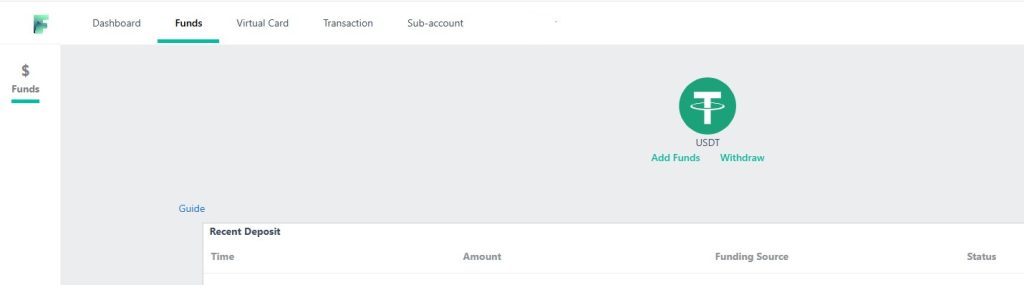
One thing to note for new users: FotonCard uses a refundable deposit system (currently $100) to protect card-segment stability, automatically returned after 45 days provided chargeback and refund rates stay acceptable. It’s a small hoop to jump through, but it’s the kind of measure that keeps a virtual card platform reliable.
How It Works in Practice
Getting started is straightforward. You place your order or register, complete the required top-up or deposit, and receive your virtual card details electronically. From there you load funds onto the card, use it for eligible online payments, and reload as needed. The whole cycle can be completed in minutes, and the card typically stays valid for up to two years with repeated top-ups.
A Few Things to Keep in Mind
This is a digital product delivered electronically, so there is no physical item to wait for. Reload availability may depend on the card type and issuer policies, and acceptance naturally varies by merchant and platform. Some services may also require additional payment verification, such as 3DS codes. It is always worth reviewing the product specifications before you buy—and if you’re unsure which card BIN suits a specific merchant, a good platform will let you check historical payment success before committing.
Final Word
A reloadable virtual Visa card isn’t just a convenience—it’s a security and budgeting strategy. By isolating your online spending from your primary accounts, you gain peace of mind, cleaner expense tracking, and frictionless access to the global digital economy. For modern, internet-native professionals, it’s less a luxury and more a sensible baseline. Platforms that combine stable banking partnerships, flexible reloading, and self-service control—FotonCard being one example—simply make that baseline easier to reach.